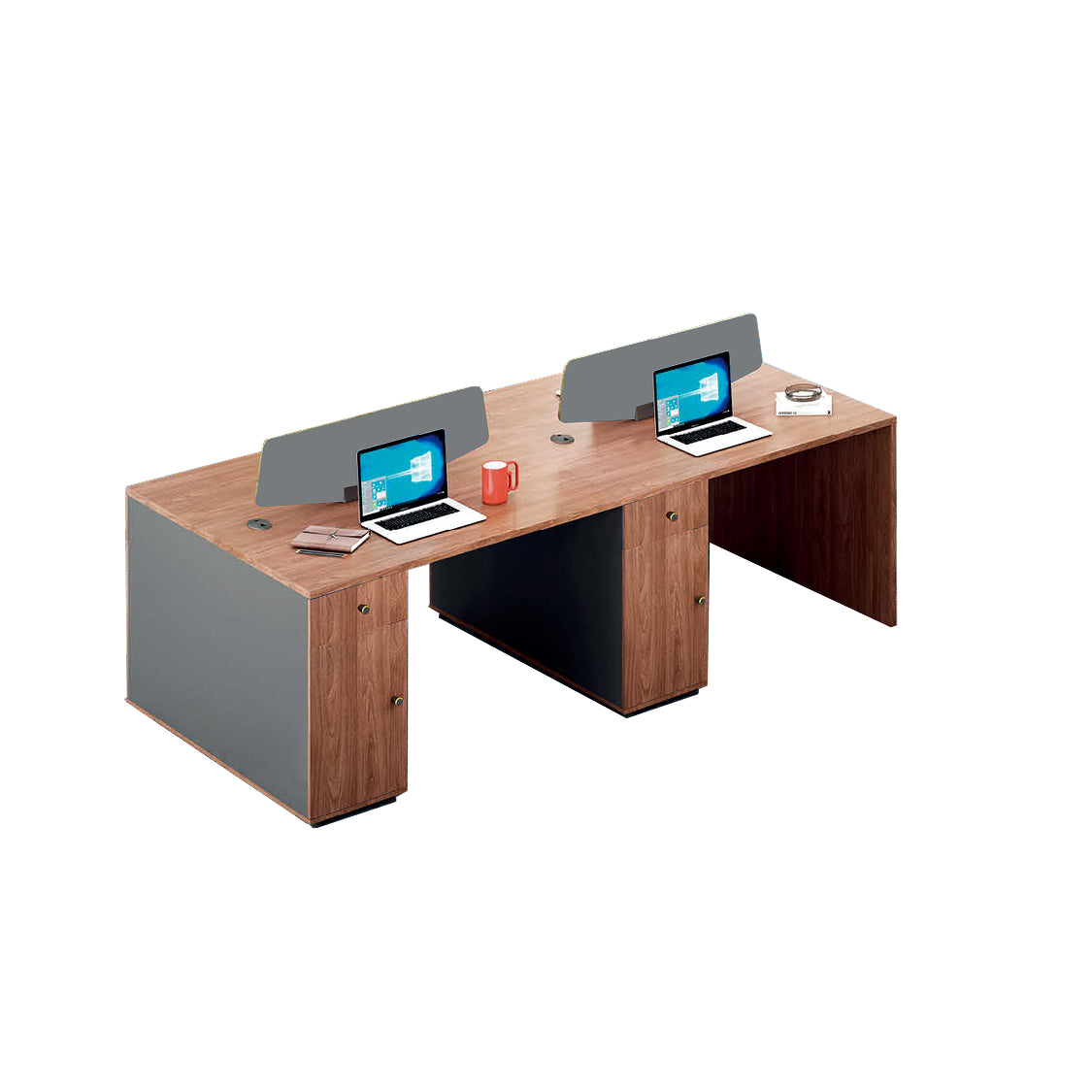
An office fit-out in Dubai runs through a predictable sequence — design, approvals, construction, then furniture and handover. The projects that finish on time plan furniture into that sequence early, not at the end. This guide maps the timeline and shows where furniture fits.
Key takeaways
- A fit-out runs design → approvals → construction/MEP → furniture → handover, in that order.
- Furniture is not instant — it has a lead time, so it must be ordered well before handover, not after construction finishes.
- Standard furniture delivery runs 2–3 days in Dubai/Sharjah, 2–5 days to other emirates, plus assembly time — build that in.
- Plan backwards from the handover date, adding a buffer, so furniture arrives and is installed before move-in.
- The commonest delay is ordering furniture too late; start furniture planning during design, not after.
The phases of an office fit-out
Every fit-out moves through the same broad phases, whatever its size. Understanding the order is what lets you place furniture correctly within it.
- Design and space planning. The layout is worked out — how many people, what workstation types, where meeting and support spaces go.
- Approvals. Landlord and authority approvals for the fit-out, which take time and must be allowed for.
- Construction and MEP. The physical build — partitions, ceilings, flooring, and the mechanical, electrical and plumbing work.
- Furniture. Desks, chairs, storage and meeting furniture delivered and installed once the space is ready to receive them.
- Handover and move-in. Final checks, and the team moves in.
The critical insight is that furniture sits near the end of the sequence but must be decided and ordered much earlier, because its lead time overlaps the phases before it. Treating furniture as the last thing to think about is what causes the classic crunch: a finished space with nowhere to sit.
Where furniture fits — and why it starts early
Furniture is installed late but must be planned early, and holding both of those in mind is the key to a smooth fit-out. The layout decided in the design phase determines the furniture — how many workstations, which types, what meeting furniture — so the furniture specification effectively begins as soon as the space plan is set. Ordering can then be timed so that delivery lands once construction is far enough along to receive it.
Get this wrong in either direction and the project suffers. Leave furniture until construction finishes, and you wait out its full lead time with a completed but unusable office. Order it too early with no coordination, and it arrives before the space is ready and has to be stored. The right approach is to specify furniture during design, confirm the order during construction, and schedule delivery and installation for when the space is ready — so furniture is a planned, overlapping workstream rather than a last-minute scramble. You can browse workstations while the layout is being planned to shortlist what fits.
Furniture lead times to plan for
Furniture lead time has two parts: getting the goods, and installing them. For standard, available furniture, delivery runs about 2–3 days in Dubai and Sharjah and 2–5 days to other emirates. A large order on a dedicated full-truck service is scheduled to suit the load. On top of delivery, assembly and installation take time — professional assembly is available so the furniture arrives built and placed rather than in boxes.
| Furniture step | Time to allow |
|---|---|
| Standard delivery (Dubai/Sharjah) | 2–3 days |
| Standard delivery (other emirates) | 2–5 days |
| Large order (full-truck) | Scheduled to the load |
| Assembly & installation | Add on top of delivery |
The number that trips projects up is not delivery — it is the total of specification, order confirmation, delivery and installation, plus any items that are made to order and take longer. Build the whole furniture workstream into the programme, add a buffer, and delivery becomes a planned step rather than a bottleneck. If any pieces are custom or made to order, allow more time for those and order them first.
Made-to-order furniture needs the most lead time
Standard, in-stock furniture moves on the delivery timings above, but not everything in a fit-out is standard. Custom reception desks, bespoke workstations, specific finishes or sizes, and made-to-order pieces all take longer than stock items, because they are produced rather than picked. If a fit-out includes any of these, they are the pieces that set the furniture deadline, not the stock desks and chairs.
The rule that follows is simple: order the made-to-order items first. Identify anything custom during the design phase, get those orders confirmed as early as possible, and let the standard furniture follow on the shorter stock lead time. A common slip is treating a bespoke reception counter like a stock desk and ordering it late — then the whole handover waits on the one piece that could not be rushed. Separate the made-to-order items from the stock ones in your planning, and give the custom pieces the head start their longer lead time requires.
Planning backwards from handover
The reliable way to time furniture in a fit-out is to plan backwards from the date the office must be usable. Start at move-in, subtract installation time, subtract the delivery window for your emirate, subtract order-confirmation time, and add a buffer for the unexpected. That gives you the date by which the furniture order must be placed — which usually falls during, not after, construction.
Working forwards instead is how projects slip: teams focus on the build, and only turn to furniture when the space is nearly ready, by which point the lead time pushes move-in back. Backwards planning from the handover date makes the furniture deadline explicit and early. For a fit-out with a fixed launch or lease-start date, this single discipline — fix the date, plan furniture backwards from it — prevents the most common cause of a delayed opening. A consultation at the design stage can set these dates realistically before the programme is locked.
The UAE angle: approvals, climate and coordination
A Dubai fit-out has local factors that affect the timeline. Approvals — landlord and authority — take time and must be built into the programme rather than assumed away; starting furniture specification during this phase uses the waiting time productively. Delivery timing varies by emirate, as the lead-time table shows, so a project in an outer emirate should allow a little more for furniture to arrive.
Coordination is the other UAE-specific point. Fit-outs here often run to a fixed date — a lease start, a business launch — with real cost attached to slipping it. That raises the value of treating furniture as a planned workstream with its own timeline, coordinated with the construction programme, rather than an afterthought. Delivery and assembly scheduled to land when the space is ready, with a buffer, is what keeps furniture from becoming the thing that holds up an otherwise-finished office.
From the field: the furniture crunch and how to avoid it
The single most common fit-out failure around furniture is the end-of-project crunch: construction finishes, the team turns to furniture, and only then discovers it will take weeks to specify, order, deliver and install. The office is built but unusable, and the move-in date slips for want of chairs and desks. It is entirely avoidable, and always by the same means.
The projects that avoid it start furniture during design. They shortlist workstations and specify the layout while the space is still on paper, confirm the order during construction, and schedule delivery and installation for when the space is ready — planning backwards from handover with a buffer. Custom or made-to-order pieces they order first, because those take longest. Handled this way, furniture is a smooth, overlapping workstream and the office opens on time. If you want the furniture timeline planned alongside your build, book a consultation at the design stage.
Fit-out furniture timeline checklist
- Specify furniture during the design phase, from the space plan
- Plan backwards from the handover / move-in date
- Allow delivery time: 2–3 days (Dubai/Sharjah), 2–5 days (other emirates)
- Add assembly and installation time on top of delivery
- Order custom or made-to-order pieces first — they take longest
- Confirm the order during construction, not after it
- Schedule delivery for when the space is ready to receive it
- Add a buffer for approvals and the unexpected
FAQ
How long does an office fit-out take in Dubai? It varies with the size and complexity of the project, but the sequence is always design, approvals, construction and MEP, then furniture and handover. The total depends on the build, but the point most under your control is furniture: plan it backwards from the handover date so it arrives and is installed on time rather than becoming the step that slips the whole programme.
When should I order furniture for a fit-out? Specify furniture during the design phase and confirm the order during construction, so delivery lands once the space is ready to receive it. Ordering furniture only after construction finishes means waiting out its full lead time with a completed but unusable office. Plan backwards from the move-in date to find the latest the order can be placed, then order earlier.
How long does office furniture take to deliver in the UAE? For standard, available furniture, delivery runs about 2–3 days in Dubai and Sharjah and 2–5 days to other emirates, with large orders scheduled on a full-truck service. Assembly and installation take time on top. Custom or made-to-order pieces take longer, so order those first. Build the whole furniture workstream — not just delivery — into the fit-out programme with a buffer.
What is the most common cause of a delayed fit-out? Around furniture, it is ordering too late — turning to furniture only after construction finishes and then discovering it takes weeks to specify, order, deliver and install. The office is built but unusable and move-in slips. It is avoided by starting furniture during design, planning backwards from handover, and ordering custom pieces first.
Can furniture delivery be coordinated with the construction schedule? Yes, and it should be. Delivery and installation can be scheduled to land when the space is ready to receive furniture, so nothing has to be stored and nothing holds up handover. Treat furniture as a planned workstream coordinated with the build, with delivery timed to the emirate's lead time plus a buffer, rather than an afterthought at the end of the project.
Related guides
- Office Furniture Procurement Guide for the UAE
- Office Layout Planning for 20–100 Staff
- Office Workstation Types Explained
Plan the furniture into your timeline. Book a consultation at the design stage, or browse workstations to start shortlisting while the layout is planned.
Furnishing a whole office? See our office fit-out & project service — space planning, 3D design, bulk furniture supply, delivery and installation, managed end to end.